Soft play areas look joyful and simple—bright colors, tunnels, slides, obstacles, and ball pits. But the real quality of a venue is determined by the details behind the scenes. Choosing the right soft play equipment is not only about appearance; it’s about safety, play value, durability, hygiene, and how smoothly your business runs every day.
This article explains what soft play equipment includes, what makes it “good,” and how the right choices create repeat visits and long-term stability.
1) What Soft Play Equipment Includes (Beyond the Obvious)
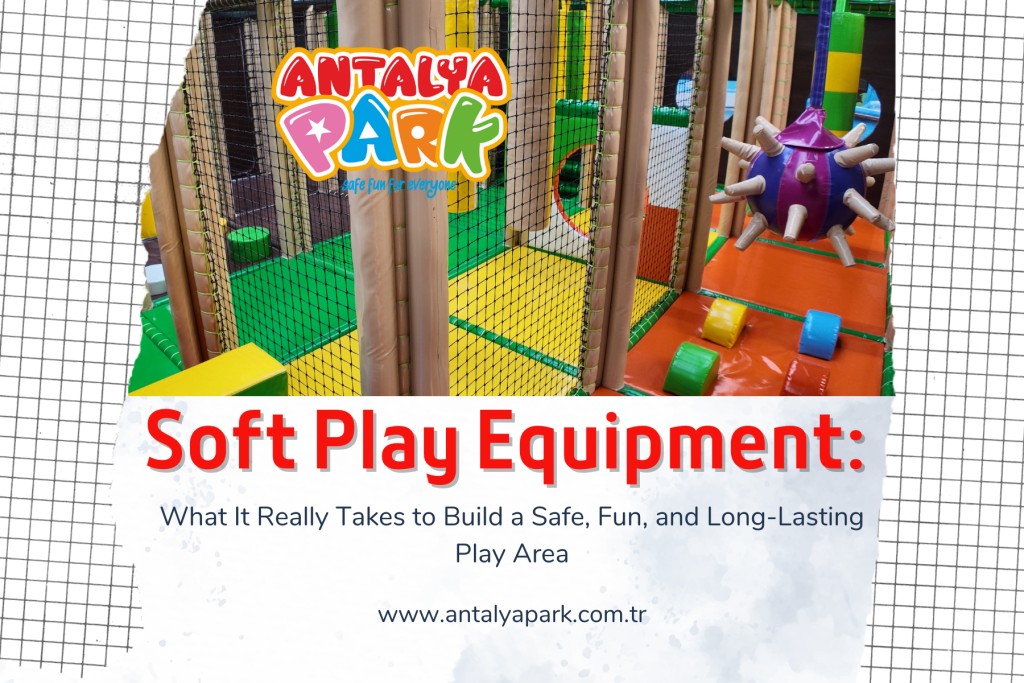
Soft play equipment is a complete modular system, typically made up of:
- multi-level climbing and crawling structures
- tunnels, bridges, obstacles, and stepping routes
- slides with safe landings and controlled exit zones
- ball pits and activity corners
- safety nets, barriers, and protective padding
- wall elements, mini games, and themed features
- toddler zone elements with low-height activities
- optional upgrades such as interactive add-ons or special attraction modules
The best systems create a “play journey,” not just a collection of parts.
2) Safety: The Real Foundation of Soft Play Equipment
Children don’t “use equipment carefully.” They test it at full speed. That’s why safety must be designed into every component:
- correct clearances and anti-entrapment thinking
- stable structure and secure connections
- impact protection through high-quality padding and safe surfacing
- strong netting and reliable fixing points that remain tight over time
- non-toxic materials suitable for children’s environments
- fire-resistant material options for safer public venues
- age-appropriate height and challenge planning
Safety is not only compliance—it’s trust, reputation, and repeat business.
3) Play Flow: How Equipment Choice Shapes the Experience
Even premium equipment can fail if the layout creates congestion. Smart soft play equipment planning supports smooth flow:
- multiple routes to reduce bottlenecks
- clear supervision lines for parents and staff
- balanced intensity (active zones + calmer zones)
- discovery points that keep kids exploring longer
- logical zoning so toddlers aren’t pushed into high-energy traffic
Better flow means longer play time, happier families, and easier operations.
4) Durability and Hygiene: The Hidden Profit Factors
Many venues look great on opening day. The real difference shows after months of daily use. High-quality soft play equipment focuses on:
- foam density that holds shape and absorbs impact
- strong stitching and durable PVC that resists tearing
- surfaces that are easy to clean and don’t trap dirt
- netting and connectors that don’t loosen quickly
- wear-resistant protection in high-contact areas (corners, entry points, slide exits)
Durability reduces downtime. Downtime reduces revenue.
5) Toddler Zone Equipment: A Must for Family Satisfaction
A dedicated toddler zone is often the most valuable part of a soft play venue. It helps:
- reduce safety conflicts between ages
- create comfort for parents with younger children
- increase repeat visits from families
- improve overall venue perception (“designed properly”)
Toddler equipment should be lower, softer, simpler, and clearly separated.
6) Installation and After-Sales Support: Where Quality Is Proven
Soft play equipment is built twice—once in production, once on site. A professional supplier or manufacturer should provide:
- clear technical drawings and installation guidelines
- organized packaging and smooth site planning
- final inspection and safe handover standards
- spare parts availability and responsive technical support
- maintenance checklists for daily and periodic control
Good equipment without proper installation and support becomes a long-term operational risk.
Conclusion
Soft play equipment is the foundation of your customer experience and your operational success. The right equipment delivers safety, strong play value, smooth flow, durability, and hygiene-friendly design—all of which lead to happier families and stronger repeat visits.
When chosen strategically, soft play equipment becomes more than a playground system. It becomes a long-term business asset that stays safe, stays clean, and stays profitable under real daily use.

